Sewing & Tailoring Skill Development Program for Women
Vaidehi Shri Foundation is working to strengthen women's economic empowerment by creating opportunities for practical skill development, livelihood generation and greater participation in community and economic activities. As part of this effort, the Foundation has undertaken a sewing and tailoring skill development initiative designed to support women with practical skills that can contribute to self-employment and household livelihood opportunities.
Empowering Women Through Practical Skills
Women's economic empowerment is an important part of building inclusive and sustainable communities. When women have access to practical skills, knowledge, livelihood opportunities and supportive community networks, they can strengthen their ability to participate in economic activities and make informed decisions about their future.
Vaidehi Shri Foundation believes that skill development can provide a practical pathway toward greater economic participation. The sewing and tailoring initiative has been designed around this approach, with a focus on helping women develop a useful vocational skill that can be applied in different livelihood settings.
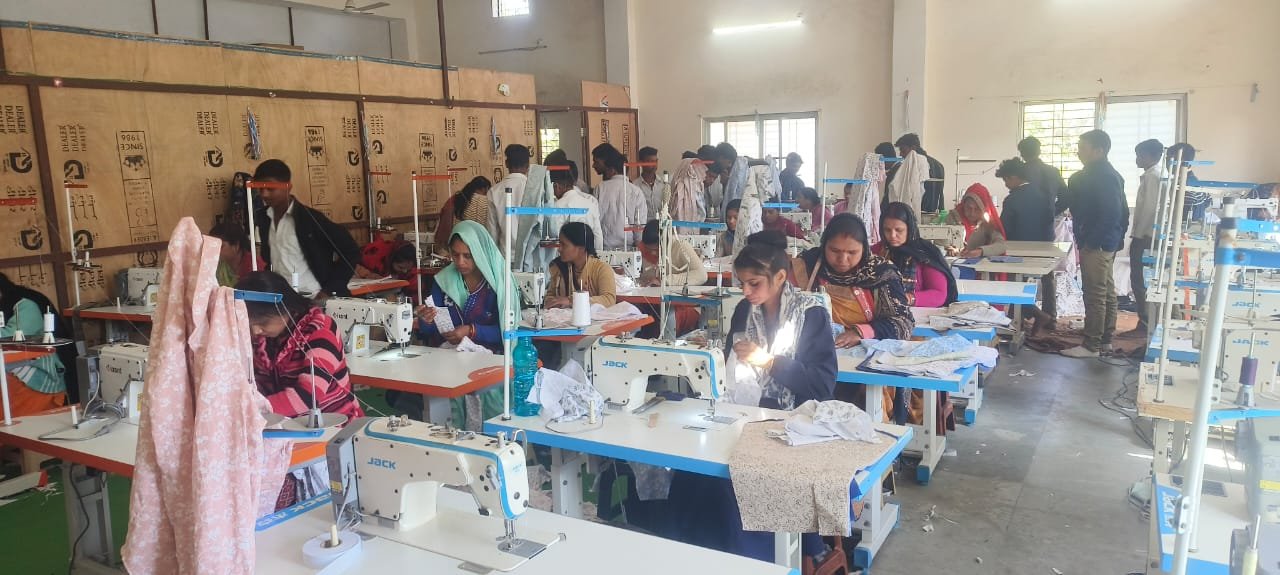
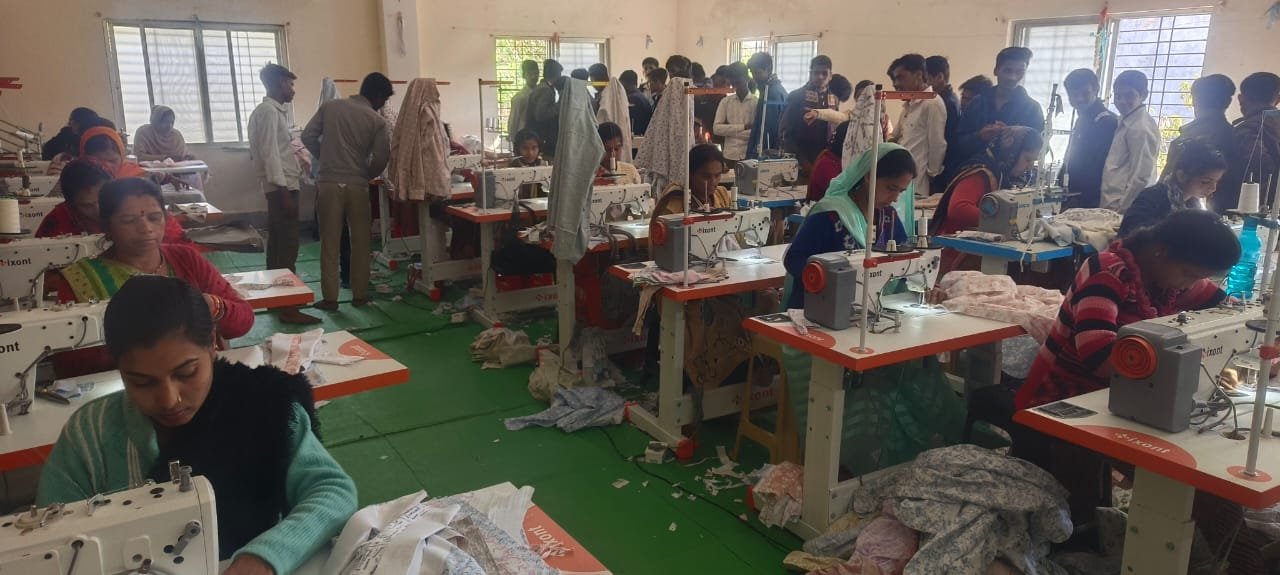
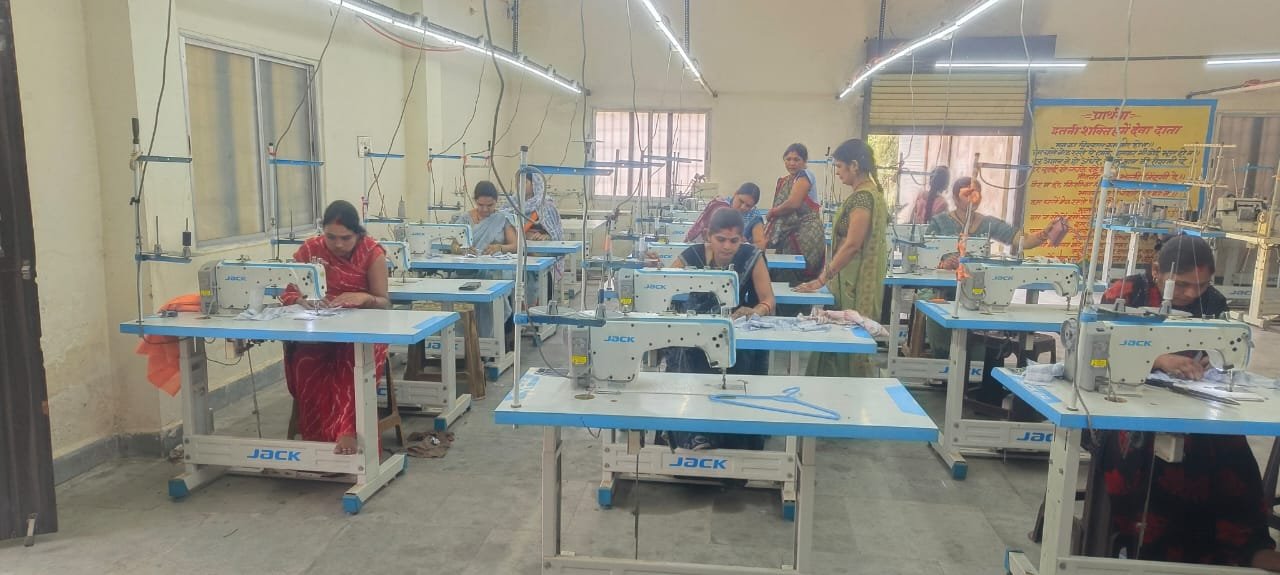
Through the program, around 200 women have been brought together around a common learning opportunity. The initiative provides a space where women can learn, practice and develop confidence in a skill that has potential applications in home-based work, self-employment, local tailoring services and small-scale enterprise.
Glimpses From the Sewing Skill Development Program
These photographs capture moments from the women's skill development initiative and reflect the importance of community-based learning, participation and practical vocational training.
About the Sewing and Tailoring Skill Development Program
The sewing and tailoring program is part of Vaidehi Shri Foundation's broader commitment to women's empowerment, livelihood development and community participation. The initiative focuses on a practical vocational skill that can be developed through regular learning and hands-on practice.
Sewing and tailoring can be relevant to a wide range of local livelihood activities. Depending on individual interests, experience and available opportunities, women with appropriate skills may explore home-based tailoring, garment-related work, alteration services, small production activities or other local income-generating opportunities.
The program is therefore not only about learning a technical activity. It is also about creating an environment where women can develop confidence, interact with other community members, strengthen their practical abilities and explore possibilities for greater economic participation.
Why Sewing and Tailoring Skills Matter
Vocational skills can provide women with practical tools that may be used close to their homes and communities. Sewing and tailoring are particularly relevant because the skill can be applied in different ways depending on the individual's circumstances, experience and access to equipment and markets.
A woman who develops tailoring skills may choose to work independently, provide alteration services, support a family enterprise or gradually explore a small home-based business. The pathway will naturally differ from one participant to another, but skill development can create a foundation from which women can explore these opportunities.
The broader objective is to encourage women to see skill development as one part of a longer livelihood journey: learning a skill, gaining confidence through practice, understanding local demand, improving product quality and, where appropriate, exploring self-employment or enterprise opportunities.
Key Objectives of the Women Empowerment Initiative
The initiative is designed to support women's participation in skill development and livelihood-oriented activities. Its key objectives include:
- Provide women with opportunities to develop practical sewing and tailoring skills.
- Encourage participation in vocational learning and livelihood-oriented activities.
- Create a supportive community environment for women to learn and practice useful skills.
- Strengthen confidence through practical skill development and regular participation.
- Encourage women to explore suitable self-employment and small livelihood opportunities.
- Promote women's economic participation and greater inclusion within community development.
- Connect skill development with the Foundation's broader focus on livelihoods, entrepreneurship and social empowerment.
Reaching 200 Women Through Skill Development
A key feature of this initiative is its focus on reaching approximately 200 women through the sewing and tailoring skill development program. Bringing women together around practical learning creates an opportunity for knowledge sharing, peer interaction and community participation.
The participation of 200 women also reflects the importance of taking skill development beyond individual interventions and creating opportunities that can reach communities at meaningful scale.
From Skill Development to Livelihood Opportunities
Learning a vocational skill is an important first step, but long-term livelihood development often requires additional support. For women interested in using sewing and tailoring as an economic activity, future opportunities may include access to suitable equipment, product development, understanding customer requirements, quality improvement, basic financial knowledge, market connections and entrepreneurship support.
Vaidehi Shri Foundation's wider development approach recognizes this connection between skills and livelihoods. Skill development can become more meaningful when it is connected with opportunities for self-employment, entrepreneurship, market participation and income enhancement.
The Foundation therefore views vocational learning as part of a broader pathway rather than as an isolated activity. The long-term objective is to help communities move from learning and capability development toward sustainable livelihood opportunities wherever suitable conditions exist.
Building Confidence, Participation and Community Support
Women's empowerment also involves confidence, participation and the ability to engage with community and economic opportunities. A shared learning environment can encourage women to interact with one another, exchange experiences and support each other during the learning process.
Community-based skill development can also help create stronger social networks. Women who participate in training activities may share information about local opportunities, resources, services and livelihood possibilities with one another.
This community dimension is important because sustainable empowerment is not limited to one training session or one technical skill. It can involve continued learning, participation, collaboration and access to appropriate opportunities over time.
A Community-Centred Approach to Women Empowerment
Practical Learning
The program emphasizes practical vocational learning so that participants can develop a useful skill through training and practice.
Economic Participation
The initiative connects skill development with the broader objective of increasing women's participation in livelihood and economic activities.
Community Participation
Bringing women together creates opportunities for interaction, peer learning and stronger community participation.
Sustainable Development
The initiative forms part of a wider approach that connects skills, livelihoods, entrepreneurship and social empowerment.
Connecting Women's Empowerment With Sustainable Development
Vaidehi Shri Foundation's work in women's empowerment is connected with its wider vision of building an inclusive, equitable and sustainable society. Women, youth, children and vulnerable communities require access to opportunities and resources that can support dignity, participation and greater self-reliance.
Skill development is one important component of this approach. When combined with education, livelihood support, entrepreneurship, financial inclusion, community participation and appropriate partnerships, vocational learning can contribute to a broader development ecosystem.
The sewing and tailoring initiative represents this practical approach to empowerment by creating an opportunity for women to learn a useful vocational skill while participating in a community-focused development activity.
Looking Ahead
The next stage of a skill development journey can involve continued practice, improvement in quality, exposure to market requirements and access to appropriate livelihood opportunities. For interested women, future support can potentially focus on entrepreneurship awareness, basic business knowledge, product development and market connections.
Such efforts can help create a stronger connection between vocational training and sustainable livelihoods. The exact pathway will depend on each woman's skills, interests, resources and local opportunities.
By continuing to focus on practical skills and community participation, Vaidehi Shri Foundation aims to contribute to an environment where women can access opportunities to strengthen their skills, confidence and economic participation.
Empowering Women, Strengthening Communities
The sewing and tailoring skill development initiative for approximately 200 women is an important part of Vaidehi Shri Foundation's commitment to women's empowerment and sustainable livelihoods.
By creating opportunities for practical vocational learning, the program supports women in developing a useful skill while encouraging confidence, participation and exploration of livelihood opportunities.
Vaidehi Shri Foundation will continue to work towards community-led and inclusive development by connecting skills, livelihoods, entrepreneurship, education, health, environmental awareness and social inclusion. Through such initiatives, the Foundation seeks to create sustainable opportunities and contribute to stronger, more resilient communities.