
Environment and Rural Development Program
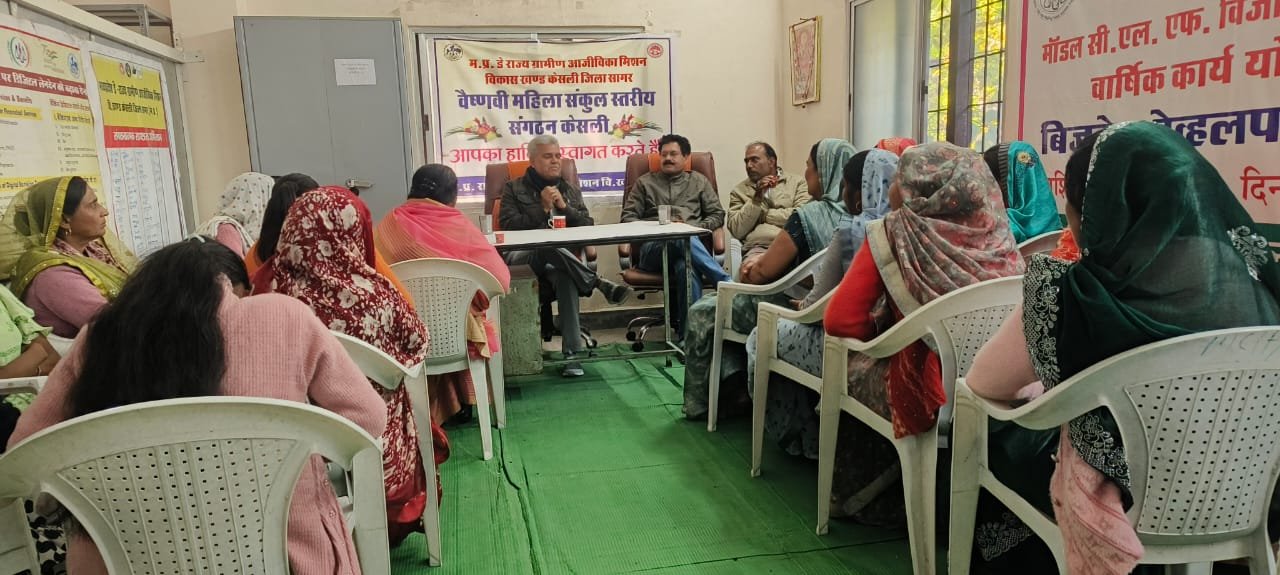
Vaidehi Shri Foundation works towards sustainable environment and rural development by supporting communities, promoting responsible use of natural resources, encouraging sustainable livelihoods and strengthening community participation in local development.
Building Sustainable and Resilient Rural Communities
Rural communities depend closely on land, water, agriculture, forests and other natural resources. Environmental sustainability and rural development are therefore closely connected. Responsible management of natural resources can support livelihoods, strengthen community resilience and create better conditions for future generations.
Vaidehi Shri Foundation's Environment and Rural Development initiatives focus on connecting environmental responsibility with community development. The approach encourages local participation, sustainable practices, awareness, livelihood opportunities and responsible use of available resources.
Why Environment and Rural Development Matter
Environmental challenges can directly affect rural livelihoods. Changes in water availability, soil quality, agricultural productivity, waste management and access to natural resources can create difficulties for communities that depend on local ecosystems.
At the same time, rural development requires more than economic growth. Communities also need access to knowledge, sustainable technologies, social participation, livelihood opportunities and responsible resource management.
Key Areas of Environment and Rural Development
Sustainable Agriculture
Sustainable agriculture can help rural communities improve the responsible use of soil, water and other agricultural resources. Vaidehi Shri Foundation promotes awareness and community-oriented approaches that encourage sustainable agricultural practices and support long-term rural livelihoods.
Water Conservation and Management
Water is essential for agriculture, household needs, livestock and community well-being. Water conservation and responsible water management can help communities make better use of available resources and strengthen local resilience.
Community participation is important for developing awareness around water conservation, efficient use of water and protection of local water resources.
Environmental Conservation
Environmental conservation includes protecting natural resources, encouraging responsible practices and creating awareness about the importance of healthy ecosystems. Community awareness can play an important role in making environmental protection part of everyday development activities.
Afforestation and Green Initiatives
Tree plantation, protection of vegetation and community participation in green initiatives can contribute to healthier local environments. Such activities can also help create greater awareness about biodiversity, soil protection and responsible management of natural resources.
Waste Management and Clean Communities
Responsible waste management is an important part of sustainable rural development. Awareness about waste reduction, proper disposal, reuse and responsible community practices can help create cleaner and healthier living environments.
Renewable and Clean Energy Awareness
Clean and renewable energy solutions can support sustainable development while reducing dependence on conventional energy sources. Creating awareness about responsible energy use and appropriate clean-energy technologies can contribute to long-term environmental sustainability.
Supporting Sustainable Rural Livelihoods
Rural development becomes more sustainable when environmental protection is connected with livelihood opportunities. Vaidehi Shri Foundation works towards approaches that connect skills, agriculture, local resources, entrepreneurship and community institutions with sustainable economic opportunities.
Sustainable livelihoods can help communities strengthen their economic base while encouraging responsible use of natural resources. This approach is particularly relevant for farmers, rural women, youth and other community members seeking opportunities for income enhancement and self-reliance.
Agriculture, Value Addition and Rural Enterprise
Agriculture can provide opportunities beyond primary production. Value addition, food processing, local enterprises and improved market linkages can help rural communities explore additional livelihood opportunities.
Strengthening farmer and producer institutions, encouraging entrepreneurship and connecting communities with appropriate technologies can support a more inclusive rural economy.
Women and Youth in Rural Development
Women and young people are important participants in rural development. Their involvement in agriculture, entrepreneurship, skill development, community institutions and local environmental initiatives can strengthen community participation and create new opportunities.
Women-led community institutions, self-help groups, producer groups and other collective platforms can help improve participation in local development and economic activities.
Community Participation and Local Ownership
Sustainable development is stronger when communities participate in identifying local needs and developing solutions. Vaidehi Shri Foundation follows a community-centred approach that encourages local participation, awareness and ownership.
Community-led initiatives can help ensure that development activities are relevant to local conditions and can be maintained over time. Local knowledge and experience are valuable resources in planning environmental and rural development activities.
Climate-Resilient Rural Development
Rural communities can be affected by changing environmental conditions and climate-related challenges. Strengthening resilience requires sustainable resource management, diversified livelihoods, responsible agricultural practices and awareness of environmental risks.
Climate-resilient rural development can help communities prepare for environmental changes while protecting livelihoods and natural resources. Local solutions, community participation and appropriate technologies can all contribute to this process.
Technology and Innovation for Rural Communities
Technology can support rural development through improved access to information, digital services, agricultural knowledge, financial services, market information and educational resources.
Digital inclusion can also help rural communities connect with government services, livelihood opportunities, training resources and wider markets. The use of technology should remain accessible, practical and appropriate to community needs.
Environment, Livelihoods and Sustainable Development
Environmental protection and economic development should not be treated as separate priorities. Sustainable rural development aims to create opportunities while protecting the resources on which communities depend.
Vaidehi Shri Foundation's broader development approach connects skills, livelihoods, entrepreneurship and income enhancement with environmental responsibility, education, health, inclusion and community participation.
Our Community-Centred Approach
The Foundation promotes an inclusive approach in which communities are encouraged to participate in development activities. The focus is on practical interventions, awareness, local ownership, partnerships and sustainable outcomes.
- Promoting environmental awareness and responsible practices
- Supporting sustainable agriculture and rural livelihoods
- Encouraging water conservation and responsible resource management
- Promoting clean and sustainable community environments
- Supporting women and youth participation in rural development
- Encouraging entrepreneurship and local livelihood opportunities
- Connecting communities with appropriate technology and information
- Building partnerships for sustainable and inclusive development
Working Towards Sustainable Rural Futures
Sustainable rural development requires long-term commitment and collaboration. Communities, government institutions, development organizations, technical institutions, financial institutions and other partners can contribute to creating stronger and more resilient rural ecosystems.
Vaidehi Shri Foundation aims to contribute to this process by supporting community-based development, environmental responsibility, sustainable livelihoods and inclusive participation.
Looking Ahead
The long-term vision of the Environment and Rural Development Program is to support rural communities where people can access sustainable livelihood opportunities while natural resources are used responsibly and protected for future generations.
Through community participation, sustainable agriculture, environmental conservation, skill development, entrepreneurship and responsible use of technology, Vaidehi Shri Foundation continues to work towards inclusive and sustainable rural development.
Frequently Asked Questions
What is the Environment and Rural Development Program?
The Environment and Rural Development Program focuses on sustainable environmental practices, rural livelihoods, natural resource management, community participation and inclusive rural development.
Why is environmental sustainability important for rural communities?
Rural communities often depend directly on land, water, agriculture and other natural resources. Sustainable resource management can support livelihoods and help protect these resources for future generations.
What areas are covered under rural development?
Rural development can include sustainable agriculture, water conservation, livelihoods, entrepreneurship, food processing, market linkages, digital inclusion, environmental awareness and community development.
How does Vaidehi Shri Foundation support sustainable livelihoods?
The Foundation promotes approaches that connect skills, agriculture, entrepreneurship, local resources, community institutions and market opportunities with sustainable livelihood development.
Does the program focus on women and youth?
Yes. Women and youth are important participants in the Foundation's broader approach to livelihoods, entrepreneurship, skill development, community participation and rural development.
What role does community participation play?
Community participation helps identify local needs, develop relevant solutions and encourage local ownership of development activities.
How can technology support rural development?
Technology can improve access to information, digital services, agricultural knowledge, financial services, training resources and market opportunities when it is accessible and appropriate to local needs.
What is the long-term goal of the program?
The long-term goal is to support inclusive and sustainable rural communities where people have livelihood opportunities while natural resources are used responsibly and protected for future generations.